How a Custom Putting Green Can Increase Your Phoenix Property Value

When it comes to boosting your Phoenix property value, homeowners often think of kitchen remodels, bathroom upgrades, or landscaping improvements. However, one often overlooked feature that can significantly enhance your home’s appeal is a custom putting green. Whether you’re an avid golfer or simply want to elevate your outdoor living space, a professionally installed putting green can make your property stand out in the competitive Phoenix real estate market.

The Growing Demand for Luxury Outdoor Amenities

Phoenix’s warm climate and stunning desert landscapes make outdoor living spaces highly desirable. Homebuyers in the area increasingly seek properties that offer unique, low-maintenance, and enjoyable outdoor features. A custom putting green checks all these boxes, providing both aesthetic and functional benefits.

Why Buyers Love Custom Putting Greens

  1. Year-Round Entertainment – Unlike pools, which require seasonal maintenance, a putting green can be used all year in Phoenix’s mild winters and warm summers.
  2. Low Maintenance – Synthetic turf putting greens require no watering, mowing, or fertilizing, making them an eco-friendly choice.
  3. Luxury Appeal – A well-designed putting green adds a high-end, resort-like feel to any backyard.
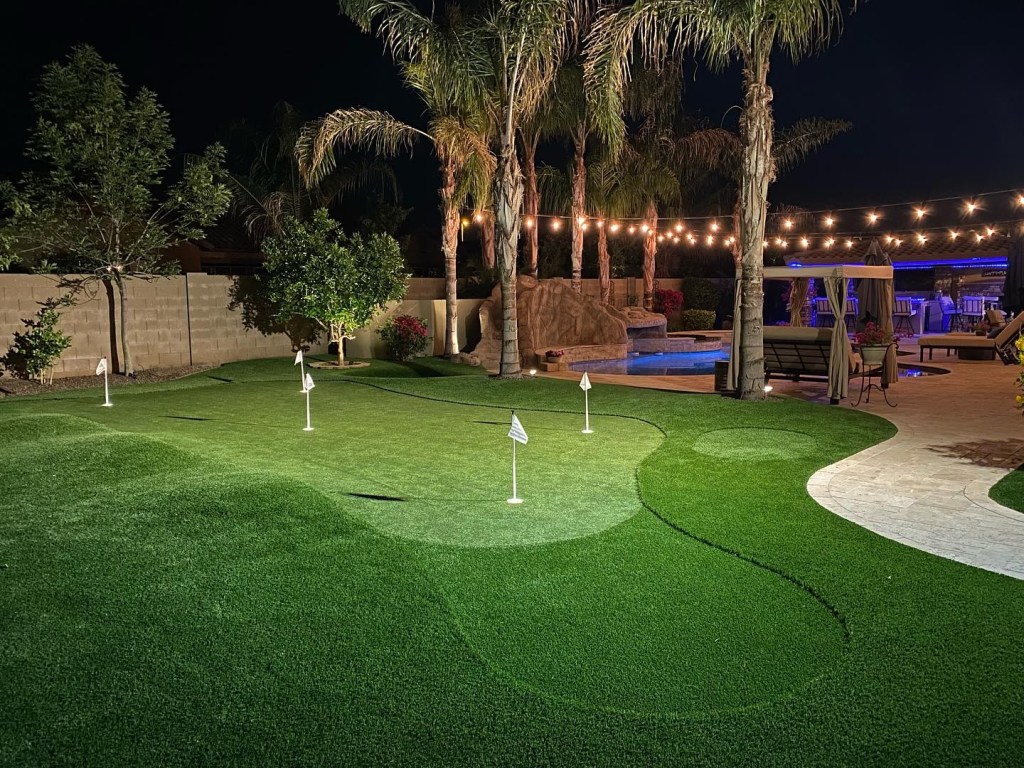
How a Putting Green Boosts Property Value

Investing in a custom putting green isn’t just about personal enjoyment—it can also lead to a higher resale value. Here’s how:

1. Enhances Curb Appeal and Unique Selling Points

In a market where many homes have similar features, a putting green sets your property apart. Potential buyers who enjoy golf or outdoor recreation will see it as a major perk, increasing their willingness to pay a premium.

2. Expands Usable Outdoor Space

A putting green transforms an underutilized backyard into a functional entertainment area. Buyers appreciate homes that offer versatile outdoor spaces for relaxation and recreation.

3. Appeals to High-End Buyers

Luxury homebuyers in Phoenix often look for exclusive amenities. A professionally installed putting green signals that the property is well-maintained and designed for an upscale lifestyle.

4. Increases Perceived Value

Even if buyers aren’t golfers, the presence of a putting green creates an impression of luxury and attention to detail, which can justify a higher asking price.

Key Considerations for Installing a Custom Putting Green

To maximize the return on investment, your putting green should be professionally designed and installed. Here’s what to keep in mind:

Choosing the Right Location

The best putting greens blend seamlessly into the landscape. Consider:

  • Sun Exposure – Ensure the area isn’t too shaded or overly exposed to harsh afternoon sun.
  • Terrain – A flat or gently sloped area works best for a smooth, playable surface.
  • Visibility – Placing it where it can be seen from indoor living spaces enhances visual appeal.

Selecting High-Quality Materials

Opt for premium synthetic turf designed specifically for putting greens. High-quality turf provides a realistic roll and durability against Phoenix’s intense sun.

Professional Design and Installation

A custom putting green should mimic the contours and challenges of a real golf course. Hiring an experienced installer ensures proper drainage, smooth transitions, and a professional finish.

The Long-Term Benefits of a Custom Putting Green

Beyond increasing property value, a putting green offers ongoing advantages:

Low Maintenance Costs

Unlike natural grass, synthetic turf doesn’t require watering, mowing, or pest control, saving homeowners time and money.

Personal Enjoyment

Even if you’re not planning to sell soon, a putting green provides endless entertainment for family and friends.

Eco-Friendly Landscaping

With water conservation being a priority in Arizona, synthetic putting greens are a sustainable alternative to traditional lawns.

Final Thoughts

A custom putting green is more than just a fun addition to your Phoenix home—it’s a smart investment that can enhance property value, attract buyers, and elevate your outdoor living experience. By choosing the right design, materials, and installation team, you can create a backyard oasis that pays off in both enjoyment and resale value.

If you’re looking for a way to make your home stand out in Phoenix’s competitive real estate market, a custom putting green might be the perfect upgrade.
Pet-Friendly Turf vs. Natural Grass: Which Is Better for Your Dog?

As a pet owner, you want the best for your furry friend—especially when it comes to their outdoor play area. One of the biggest debates in pet-friendly landscaping is whether artificial turf or natural grass is the better choice for dogs. Both options have pros and cons, so let’s break them down to help you decide which is best for your pup.

Durability and Wear Resistance

Pet-Friendly Turf

Artificial turf is designed to withstand heavy use, making it a great option for active dogs. Unlike natural grass, it won’t develop bare patches from digging or running. High-quality pet turf is also resistant to tearing and can last for years with proper maintenance.

Natural Grass

Natural grass can struggle under a dog’s constant activity. Digging, running, and frequent urination can lead to yellow spots, mud patches, and uneven terrain. While some grass types (like Bermuda or Kentucky Bluegrass) are more durable, they still require regular care to stay healthy.

Winner: Pet-friendly turf holds up better over time, especially for energetic dogs.

Maintenance Requirements

Pet-Friendly Turf

Artificial turf is low-maintenance compared to natural grass. It doesn’t need mowing, watering, or fertilizing. However, you’ll need to rinse it occasionally to remove pet waste and prevent odors. Some turf products also require infill refreshers to maintain cushioning and drainage.

Natural Grass

Natural grass demands regular upkeep—mowing, watering, fertilizing, and aerating. Dog urine can burn grass, leaving unsightly brown spots unless you rinse the area immediately. You may also need to reseed bare patches caused by digging or heavy traffic.

Winner: Pet-friendly turf wins for convenience, but natural grass may appeal to those who enjoy gardening.

Safety for Dogs

Pet-Friendly Turf

High-quality artificial turf is non-toxic and designed specifically for pets. It lacks pesticides and fertilizers, reducing chemical exposure. However, cheaper turf may retain heat in direct sunlight, potentially burning paws on hot days.

Natural Grass

Natural grass is soft and cool underfoot, but it often requires chemicals like fertilizers, herbicides, or pesticides—some of which can be harmful if ingested by dogs. Also, certain grass types may harbor fleas, ticks, or allergens.

Winner: Both can be safe, but pet-friendly turf avoids chemical risks if properly chosen.

Cleanliness and Hygiene

Pet-Friendly Turf

Artificial turf drains liquids efficiently, reducing puddles and mud. However, urine odor can build up if not rinsed regularly. Solid waste is easy to pick up, but some owners find that lingering smells require enzymatic cleaners.

Natural Grass

Grass absorbs urine, which can lead to odor and dead patches if not diluted. Mud and dirt can track into your home, especially in rainy weather. On the plus side, natural grass has microbial activity that helps break down waste over time.

Winner: Pet turf is cleaner in wet conditions, but natural grass may handle odors better if well-maintained.

Comfort and Enjoyment for Your Dog

Pet-Friendly Turf

While modern turf is soft, some dogs prefer the feel of real grass. Turf can get hotter than natural grass in summer, which may discourage playtime during peak heat.

Natural Grass

Dogs often love the texture and smell of real grass. It stays cooler in the sun and provides a natural digging surface (though this may not be ideal for your lawn’s health).

Winner: Natural grass is usually more enjoyable for dogs, but turf can be a good alternative with proper cooling measures.

Environmental Impact

Pet-Friendly Turf

Artificial turf doesn’t need water, saving resources in drought-prone areas. However, it’s made from synthetic materials (usually plastic) and isn’t biodegradable. Some eco-friendly options use recycled materials, but disposal remains an issue.

Natural Grass

Grass contributes to oxygen production and cools the environment. However, it requires significant water, and lawn care chemicals can harm local ecosystems.

Winner: Natural grass is more eco-friendly if maintained sustainably, while turf saves water.

Cost Comparison

Pet-Friendly Turf

The upfront cost is higher—installation can range from 5to5to20 per square foot. However, long-term savings on water, mowing, and lawn care may offset the initial expense.

Natural Grass

Cheaper to install initially (seeding or sod costs 0.10–0.10–0.60 per square foot), but ongoing maintenance (watering, mowing, repairs) adds up over time.

Winner: Natural grass is cheaper short-term, but turf may save money in the long run.

Final Verdict: Which Is Best for Your Dog?

The best choice depends on your priorities:

  • Choose pet-friendly turf if: You want low maintenance, durability, and a mud-free yard.
  • Choose natural grass if: Your dog loves the feel of real grass, and you don’t mind regular upkeep.

Both options can work well—just consider your dog’s habits, your climate, and how much time you’re willing to spend on lawn care. Either way, your pup will appreciate having a safe, fun space to play!

Why Artificial Turf Is the Smart Choice for Office Complexes and Business Parks

In today’s fast-paced business environment, first impressions and operational efficiency matter more than ever. Office complexes and business parks are constantly looking for ways to enhance curb appeal, reduce maintenance costs, and create a welcoming atmosphere for employees and visitors. One increasingly popular solution is artificial turf. Unlike natural grass, synthetic turf offers numerous advantages that make it an ideal choice for commercial properties.

Low Maintenance and Cost Savings

Eliminates Watering and Mowing

Natural grass requires consistent watering, mowing, and fertilizing to stay lush and green. For large office complexes and business parks, this means significant ongoing expenses in labor, water bills, and landscaping equipment. Artificial turf eliminates these needs entirely. Once installed, it stays perfectly manicured without the hassle of regular upkeep.

Reduces Long-Term Landscaping Costs

While the initial investment in artificial turf may be higher than natural grass, the long-term savings are substantial. Businesses no longer need to budget for seasonal lawn care, pest control, or irrigation system repairs. Over time, the reduction in maintenance expenses makes synthetic turf a financially savvy choice.

Enhanced Aesthetics Year-Round

Always Green, No Matter the Season

Natural grass can turn brown in drought conditions, struggle in extreme heat, or become muddy after heavy rain. Artificial turf maintains a vibrant, well-kept appearance in all weather conditions. This ensures that office complexes and business parks always look professional and inviting.

Customizable Design Options

Artificial turf comes in various shades, textures, and pile heights, allowing property managers to create a tailored look that complements the architecture of the buildings. Whether the goal is a sleek, modern aesthetic or a softer, natural appearance, synthetic turf can be customized to fit the brand image.

Eco-Friendly and Sustainable

Conserves Water

Water scarcity is a growing concern in many regions, and businesses are under increasing pressure to adopt sustainable practices. Artificial turf requires no watering, helping office complexes reduce their environmental footprint while complying with water restrictions.

Eliminates Harmful Chemicals

Maintaining natural grass often involves pesticides, herbicides, and synthetic fertilizers, which can leach into groundwater and harm local ecosystems. Artificial turf removes the need for these chemicals, creating a safer environment for employees, visitors, and wildlife.

Durability and High Traffic Resistance

Withstands Heavy Foot Traffic

Business parks and office complexes experience constant foot traffic from employees, clients, and delivery personnel. Natural grass can quickly wear down, creating unsightly bare patches. Artificial turf is designed to endure heavy use without losing its shape or color, ensuring a consistently polished appearance.

Ideal for Event Spaces

Many office complexes host outdoor events, from corporate gatherings to employee appreciation days. Artificial turf provides a durable, mud-free surface that can handle tents, chairs, and high foot traffic without damage. After the event, a quick rinse is often all that’s needed to restore it to pristine condition.

Improved Safety and Accessibility

Slip-Resistant Surface

Wet grass can become slippery, posing a hazard for employees and visitors. High-quality artificial turf features excellent drainage and a textured surface that reduces the risk of slips and falls, even in rainy conditions.

ADA-Compliant Landscaping

For businesses aiming to improve accessibility, artificial turf offers a smooth, even surface that accommodates wheelchairs and walkers more effectively than uneven natural grass. This makes outdoor spaces more inclusive for all visitors.

Noise Reduction and Urban Heat Mitigation

Absorbs Sound in High-Traffic Areas

Hard surfaces like concrete and pavement can amplify noise in bustling business parks. Artificial turf acts as a sound dampener, reducing echoes from footsteps and outdoor conversations, creating a more pleasant environment.

Cools Outdoor Spaces

Unlike asphalt or traditional landscaping rocks, artificial turf doesn’t absorb and radiate heat as intensely. This helps mitigate the “urban heat island” effect, keeping outdoor seating areas cooler and more comfortable during hot weather.

Quick Installation and Versatility

Fast Transformation with Minimal Disruption

Installing artificial turf is a relatively quick process compared to growing and maintaining natural grass. Businesses can upgrade their outdoor spaces without prolonged construction disruptions, allowing for a seamless transition.

Perfect for Rooftops, Courtyards, and Balconies

Not all office complexes have expansive lawns. Artificial turf is lightweight and can be installed in unconventional spaces like rooftops, courtyards, and balconies, turning underutilized areas into attractive green spaces.

Conclusion

Artificial turf is a smart, forward-thinking investment for office complexes and business parks. It delivers unmatched cost savings, year-round beauty, environmental benefits, and durability—all while enhancing the overall appeal of commercial properties. By choosing synthetic turf, businesses can create a low-maintenance, high-impact landscape that impresses clients, supports sustainability goals, and provides a safe, welcoming space for everyone.

Upgrading to artificial turf isn’t just a landscaping decision—it’s a strategic business move that pays off in the long run.

Is Artificial Grass Safe for Kids? A Playground Parent’s Guide

Artificial grass has become a popular choice for playgrounds, backyards, and sports fields due to its low maintenance and year-round green appearance. But as a parent, you might wonder: Is artificial grass safe for kids? This guide explores the safety aspects of synthetic turf, its potential risks, and how to choose the best option for your child’s play area.

What Is Artificial Grass Made Of?

Before assessing safety, it’s important to understand what artificial grass is made of. Most synthetic turf consists of:

1. Plastic Fibers

The blades are typically made from polyethylene (PE), polypropylene (PP), or nylon. These materials are durable and designed to mimic natural grass.

2. Backing Material

The backing holds the fibers in place and is usually made from latex or polyurethane.

3. Infill

Infill provides cushioning and stability. Common infill materials include:

  • Crumb rubber (recycled tires)
  • Sand
  • Organic infills (cork, coconut fibers)

Each component can impact safety, so let’s examine potential concerns.

Potential Safety Concerns for Kids

While artificial grass offers convenience, some parents worry about the following risks:

1. Chemical Exposure

Some synthetic turf contains chemicals like:

  • Lead (in older turf)
  • PFAS (forever chemicals)
  • Volatile Organic Compounds (VOCs)

Modern artificial grass is generally lead-free, but low-quality products may still contain harmful substances. Always check for non-toxic certifications like CE or ASTM standards.

2. Heat Retention

Artificial grass can get much hotter than natural grass, especially in direct sunlight. On a hot day, surface temperatures can reach 140°F or higher, increasing the risk of burns.

Solution:

  • Choose lighter-colored turf to reduce heat absorption.
  • Install shade structures or misting systems.
  • Encourage play during cooler times of the day.

3. Abrasions and Falls

While synthetic turf provides some cushioning, it may not be as soft as natural grass or rubber playground surfaces. Falls can lead to scrapes or turf burns.

Solution:

  • Opt for turf with thicker padding or shock-absorbing underlay.
  • Ensure proper infill depth for better impact absorption.

4. Bacterial Growth

Unlike natural grass, artificial turf doesn’t break down organic matter, meaning bacteria from spills or pet waste can linger if not cleaned properly.

Solution:

  • Regularly rinse the turf with water.
  • Use mild disinfectants for deeper cleaning.

5. Infill Particles

Crumb rubber infill, made from recycled tires, has raised concerns due to potential heavy metals and chemicals. Kids may accidentally ingest or inhale small particles.

Solution:

  • Choose alternative infills like sand or organic materials.
  • Ensure kids wash hands after playing.

Benefits of Artificial Grass for Kids

Despite potential concerns, artificial grass has several advantages:

1. No Pesticides or Allergens

Natural grass often requires pesticides and fertilizers, which can be harmful to kids. Artificial turf eliminates this risk and reduces pollen-related allergies.

2. Low Maintenance

No mowing, watering, or mud means a cleaner play area year-round.

3. Durability

Synthetic turf withstands heavy use, making it ideal for active kids.

How to Choose the Safest Artificial Grass for Kids

If you decide artificial grass is right for your playground, follow these tips for the safest choice:

1. Look for Non-Toxic Certifications

Ensure the product meets:

  • ASTM F963 (Toy Safety Standard)
  • EN 71-3 (European Safety Standard for Toys)
  • RoHS Compliance (Restriction of Hazardous Substances)

2. Opt for Soft, Padded Turf

Choose turf with:

  • Shorter blades (reduces tripping hazards)
  • Shock-absorbing underlay (for fall protection)

3. Avoid Harmful Infills

Skip crumb rubber and consider:

  • Silica sand
  • Cork or coconut fiber
  • TPE (Thermoplastic Elastomer) infill

4. Check Heat Resistance

Select turf with cooling technology or lighter colors to minimize heat retention.

5. Ensure Proper Installation

A professional installer can:

  • Secure edges to prevent tripping.
  • Provide adequate drainage to avoid water pooling.

Final Verdict: Is Artificial Grass Safe for Kids?

Artificial grass can be a safe option for kids if you choose high-quality, non-toxic materials and take precautions like:

  • Avoiding crumb rubber infill
  • Managing heat exposure
  • Maintaining cleanliness

By selecting the right product and following safety measures, you can create a fun, durable, and low-maintenance play area for your children. Always research brands, read reviews, and consult with experts before making a decision.