Creating Sustainable Outdoor Spaces with Artificial Turf
As people become more conscious about environmental issues, sustainable landscaping is gaining popularity. One of the top choices for eco-friendly outdoor design is artificial turf. Modern synthetic grass not only looks realistic but also provides a low-maintenance and water-saving alternative to traditional lawns. Whether you’re designing a backyard, rooftop garden, or commercial space, artificial turf offers a sustainable solution that aligns with green living.
Why Choose Artificial Turf for Sustainability?
Water Conservation
One of the biggest environmental benefits of artificial turf is its ability to save water. Natural grass lawns require frequent watering, especially in dry climates. In contrast, synthetic grass needs no irrigation at all. This can save thousands of gallons of water annually, reducing your utility bill and helping to conserve a precious natural resource.
Reduced Chemical Use
Maintaining a traditional lawn often involves fertilizers, pesticides, and herbicides that can harm the environment. These chemicals can run off into local waterways and negatively affect wildlife. Artificial turf eliminates the need for these substances, making your outdoor space safer for both the planet and your family.
Lower Carbon Footprint
Mowing, trimming, and edging a natural lawn consumes fossil fuels and releases carbon emissions. Since artificial turf doesn’t grow, there’s no need for gas-powered lawn equipment. Over time, this leads to a significant reduction in greenhouse gas emissions, supporting efforts to combat climate change.
Practical Benefits of Artificial Turf
Low Maintenance
One of the main advantages of artificial turf is its minimal upkeep. There’s no need to mow, water, or reseed, which means you spend less time working on your lawn and more time enjoying it. Occasional brushing and rinsing are all it takes to keep synthetic grass looking fresh and clean.
Long-Term Durability
High-quality artificial turf is designed to withstand heavy use and harsh weather conditions. It doesn’t fade under the sun or get muddy during rain, making it a great choice for high-traffic areas like playgrounds, pet zones, and sports fields. With proper installation and maintenance, synthetic grass can last 10 to 20 years, making it a cost-effective option in the long run.
Year-Round Green Appeal
Artificial turf stays vibrant and lush throughout every season. Unlike natural grass that may turn brown in the heat or become patchy in winter, synthetic turf retains its green look all year. This consistency enhances curb appeal and creates a more inviting environment no matter the weather.
Designing with Artificial Turf
Residential Yards
For homeowners, artificial turf offers endless landscaping possibilities. You can create a green lawn that never needs mowing, design pathways with turf accents, or install a pet-friendly play area. It works well for small urban gardens and large suburban yards alike.
Rooftops and Balconies
Urban living often comes with limited green space, but artificial turf can bring a touch of nature to rooftops and balconies. Lightweight and easy to install, it transforms dull concrete areas into inviting retreats for relaxation or socializing. Turf also adds insulation, helping to regulate temperature and reduce heat absorption in cities.
Commercial Spaces
Businesses can benefit from artificial turf by creating cleaner, more attractive outdoor environments. Hotels, schools, restaurants, and office buildings often use synthetic grass for courtyards, event areas, and decorative landscaping. It improves aesthetics while lowering maintenance costs.
Eco-Friendly Installation Tips
Use Recycled Materials
When selecting artificial turf, look for products made from recycled or recyclable materials. Some turf manufacturers offer eco-friendly options that reduce plastic waste. You can also choose infill materials like cork or sand instead of rubber for a more sustainable surface.
Proper Drainage
Ensure your turf installation includes a well-designed drainage system. This prevents water pooling and supports long-term usability. Good drainage also helps avoid mold or mildew buildup, promoting a healthier environment.
Professional Installation
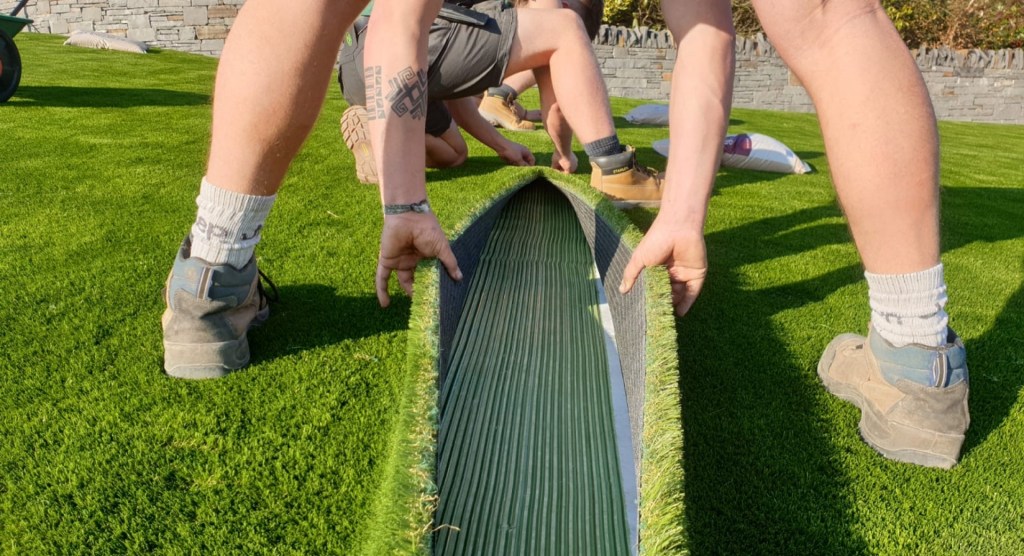
To maximize the life and performance of your artificial turf, consider professional installation. Experts will properly level the area, lay down a durable base, and secure the turf edges. This ensures a smooth surface and prevents issues like shifting or wrinkling over time.
Final Thoughts
Creating sustainable outdoor spaces doesn’t mean sacrificing beauty or function. With artificial turf, you can enjoy a green, low-maintenance lawn that supports water conservation, reduces emissions, and avoids harmful chemicals. Whether it’s for your home, business, or urban area, synthetic grass is a smart step toward eco-friendly landscaping. By choosing artificial turf, you’re not only enhancing your space—you’re also making a positive impact on the planet.
 Smart Lawn Hub